
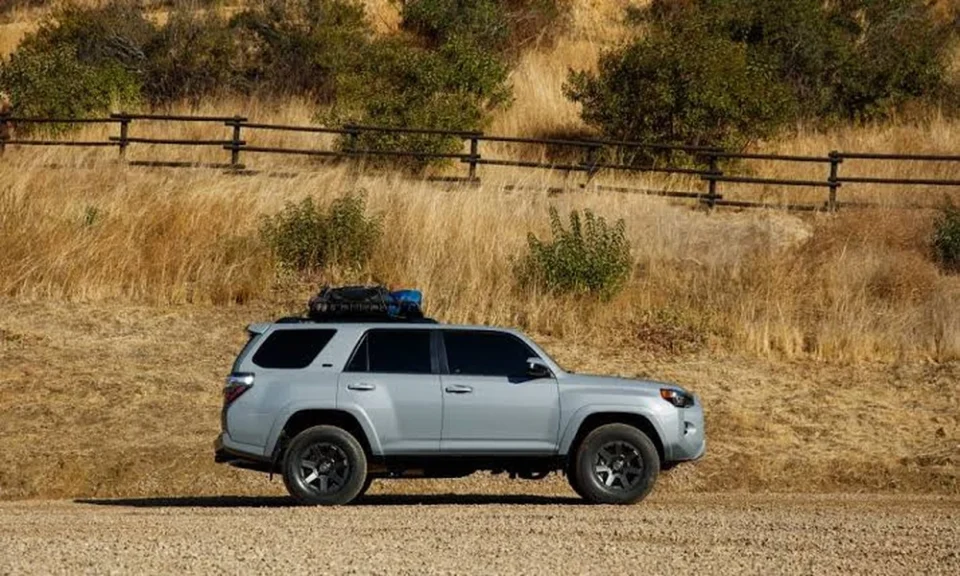
Shopping for a used 4Runner can become complicated when several vehicles look similar at first. The model name may be the same, yet the vehicles can differ in mileage, equipment, condition, history and previous use. Those differences are worth examining before focusing on smaller specification details.
For shoppers reviewing https://www.mavericktoyota.com/used-vehicles-san-diego/4runner, a useful comparison starts with the individual vehicles. Instead of asking which 4Runner is simply the most impressive on paper, look at what separates one example from another and whether those differences matter for the way the SUV will be used.
Start with the details that actually differ
If two used 4Runners are being considered, put the basic information side by side first. Model year is one obvious difference, but it should not be the only one. Mileage, available equipment and condition can vary considerably between individual vehicles.
A simple comparison can begin with:
- Model year
- Mileage
- Available equipment
- Exterior condition
- Interior condition
- Vehicle history
- Maintenance information
- Test-drive experience
This keeps the comparison manageable.
It also prevents a buyer from getting distracted by a long list of minor features before understanding the bigger differences.
A simple comparison table can help
When several vehicles are involved, writing the differences down can prevent details from becoming mixed together.
| Comparison point | 4Runner A | 4Runner B | What to consider |
|---|---|---|---|
| Model year | Record actual year | Record actual year | Does the difference affect equipment or needs? |
| Mileage | Record actual mileage | Record actual mileage | How does mileage fit with age and condition? |
| Equipment | Note relevant features | Note relevant features | Which differences will actually be used? |
| Condition | Record observations | Record observations | What needs further explanation? |
| History | Note available records | Note available records | Is there useful documentation? |
| Test drive | Record impressions | Record impressions | Which feels more suitable for everyday use? |
The table does not make the decision for the buyer.
It simply makes the information easier to see.
Avoid comparing vehicles to an imaginary perfect 4Runner
It is easy to become distracted by another vehicle that has one particularly attractive feature.
That can make the comparison less useful.
Instead, compare the actual vehicles being considered. Look at their differences and ask whether those differences have practical consequences.
A particular piece of equipment may be valuable to one buyer and almost irrelevant to another. The same applies to mileage, cargo needs and driving characteristics.
The comparison should reflect the person who will actually own and use the SUV.
The individual vehicle matters most
A used 4Runner is more than its model name.
Its previous use, maintenance, condition, equipment and mileage all contribute to what the buyer is actually considering. That is why two vehicles from the same model line can deserve very different levels of attention.
For anyone comparing options through https://www.mavericktoyota.com/used-vehicles-san-diego/4runner, the most useful approach is to slow down and document those differences rather than trying to choose from a title or photograph alone.
Model year provides context. Mileage adds another data point. Equipment shows what each vehicle offers. History explains some of the past. Condition and the test drive bring the comparison into the real world.
The goal is not to find the 4Runner with the longest list of advantages. It is to understand how the actual vehicles differ and which differences are relevant to the buyer’s own needs.
