
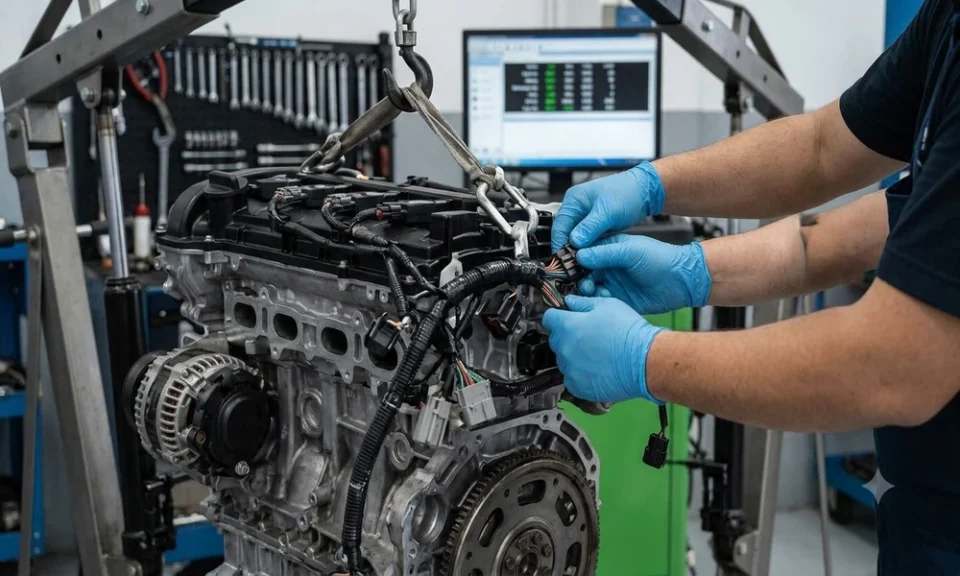
Vehicle control depends on many mechanical systems working together with steady precision and balanced performance. The clutch remains one of the most important components because it transfers engine power with controlled engagement. The connection between engine output and transmission response shapes overall driving quality during every journey. Auto Repair in Wyoming, MN becomes especially valuable when clutch performance begins showing early warning signs before larger mechanical problems develop.
Understanding the Mechanical Role of the Clutch
The clutch creates a controlled connection between the rotating engine and the transmission assembly. Smooth engagement allows gradual power delivery without creating sudden movement or uncomfortable vibration. The complete mechanism absorbs changing engine forces while supporting accurate gear selection through every driving condition. Lenfer Automotive & Transmission understands these mechanical relationships and encourages timely inspections that preserve dependable clutch operation under varying road conditions.
How Clutch Performance Influences Vehicle Control
Vehicle stability improves when the clutch responds smoothly with balanced pressure during every gear transition. Sudden engagement creates unwanted movement but progressive engagement supports confident handling across different driving environments. The driver receives better feedback because power reaches the wheels through predictable mechanical interaction. Lenfer Automotive & Transmission recognizes that consistent clutch behavior contributes directly to comfortable driving while extending the service life of important drivetrain assemblies.
Engineering Factors Behind Long Lasting Clutch Systems
Modern clutch assemblies combine durable materials with carefully designed friction surfaces that withstand continuous operating demands. Heat management remains essential because excessive temperature gradually reduces friction quality and overall mechanical efficiency. The pressure plate and release bearing operate together with accurate alignment for dependable clutch engagement throughout changing driving situations. Now manufacturers continue improving material composition because advanced engineering increases durability without reducing smooth operating characteristics.
Common Causes of Clutch Wear and Reduced Performance
Driving habits greatly influence clutch condition because repeated unnecessary slipping increases friction and operating temperatures. Heavy traffic conditions sometimes accelerate normal wear while frequent load changes create additional mechanical pressure. Delayed maintenance allows small performance concerns to become larger repair requirements affecting several connected vehicle systems. The clutch pedal may gradually lose consistent response but careful diagnosis often identifies developing concerns before serious damage occurs. Lenfer Automotive & Transmission recommends professional inspections whenever changing pedal feel or unusual engagement patterns appear during everyday driving experiences.
Conclusion
Reliable vehicle control depends upon preventive maintenance supported by accurate inspection and thoughtful mechanical attention throughout ownership. Experienced technicians evaluate clutch operation while checking related transmission components for balanced mechanical performance. Small adjustments often restore smoother engagement because early servicing prevents progressive wear from affecting surrounding systems. You benefit from consistent vehicle response when every connected component operates within intended engineering limits throughout changing driving conditions. Careful maintenance strengthens long term reliability so the clutch continues delivering smooth power transfer with dependable vehicle control during every journey.
