
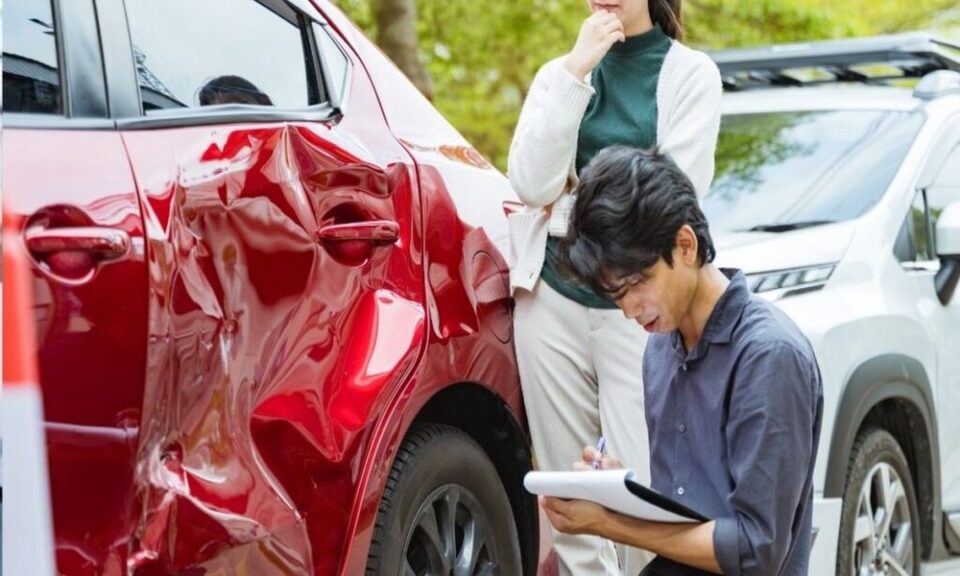
Rental car coverage following a California car accident is available through multiple potential sources depending on the insurance policies involved, which party was at fault, and the timeline of the claims investigation. Understanding which coverage applies in which circumstances prevents unnecessary out-of-pocket expense and delays.
California does not make rental reimbursement coverage mandatory for automobile insurers. Claimants must identify the specific coverage available to them based on their own policy terms and the at-fault driver’s liability coverage.
How the At-Fault Driver’s Liability Coverage Handles Rentals
Property damage liability coverage under the at-fault driver’s policy typically includes loss of use damages, which encompasses rental expenses during the period reasonably required for vehicle repair. California law requires that the rental vehicle provided be comparable in class to the damaged vehicle.
The at-fault insurer may delay authorizing a rental vehicle while conducting a liability investigation, particularly in cases where fault is not immediately clear. This delay can extend the period of vehicle unavailability significantly.
When Your Own Insurance Provides Immediate Rental Access
Policyholders who carry rental reimbursement coverage on their own California auto policy can access rental vehicle coverage immediately after a collision without waiting for the at-fault insurer to complete its liability investigation. The own-insurer rental coverage can then seek subrogation reimbursement from the at-fault insurer. Working with a Burbank collision attorney helps ensure that rental coverage decisions made during the immediate post-collision period do not inadvertently create issues in the subsequent liability claim, particularly regarding the scope of any property damage release signed in connection with rental arrangements.
How Total Loss Situations Affect Rental Car Duration
When a vehicle is declared a total loss, the rental reimbursement obligation of the at-fault insurer continues until a reasonable period following the total loss offer for the claimant to locate replacement transportation. California courts have held that this period should be sufficient to actually enable vehicle replacement.
What Rental Class Disputes Involve
California law’s requirement for a comparable rental vehicle creates disputes when a claimant who owned a full-size truck, SUV, or luxury vehicle is offered a compact economy rental. The insurer’s obligation is to provide a vehicle comparable in practical utility and class to the damaged vehicle.
Rental car coverage management following a California accident requires understanding the interaction between the at-fault driver’s property damage liability, one’s own rental reimbursement coverage, and the specific circumstances of the vehicle’s damage status. Getting this coverage right from the first day after the accident prevents both out-of-pocket expense and disputes about reasonable reimbursement later.
