
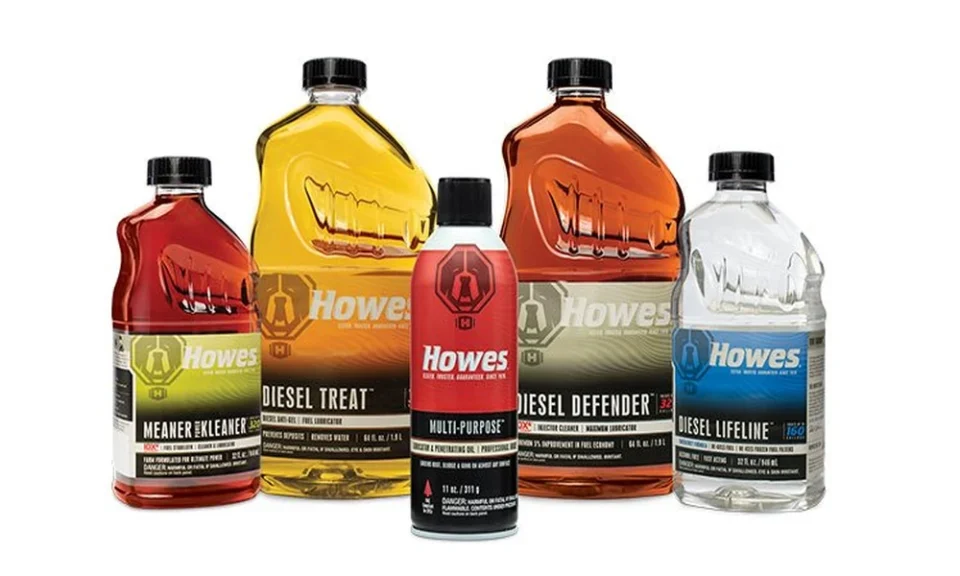
If you run diesel equipment, you already know fuel quality shapes uptime, cost, and power. My job is to help you cut risk and make smart calls that protect engines and schedules. I base the guidance here on field patterns, manufacturer data, and real fixes that hold up across seasons and duty cycles. You will see how to time your use of additives, what type to choose, and how to treat bulk tanks with discipline, not guesswork. If you are new to using a diesel additive, start with clear goals: prevent cold flow issues, keep injectors clean, manage water, and protect pumps and seals.
You benefit by using the right product at the right time. That single shift prevents no-start events in winter, recovers lost power due to deposits, and stretches filter and injector life. I will also point you to Howes because they focus on diesel care, avoid harsh alcohol and solvents, and cover prevention, maintenance, and emergency use.
The Short Answer
Use diesel additives in three moments:
- Before a known risk, such as a cold front or long storage
- During ongoing operation to clean and lubricate the fuel system
- After a failure, such as gelled fuel or a frozen filter
Get those three right and you avoid most fuel headaches.
Cold Weather: Treat Before the Drop
Cold flow problems create the costliest downtime. Anti-gel treatment must go in before the temperature falls.
- If forecast lows reach your region’s gel risk range, treat the tank during your prior fill. Add the product, then fuel, to help mix.
- If your equipment sits outdoors, treat even earlier, since tanks lose heat at night.
- Do not rely on station “winter diesel” alone. Blends vary. An anti-gel with added lubricity and water control gives you a margin.
Howes Diesel Treat fits this job. It helps prevent gelling, reduces cold filter plugging, boosts lubricity, and removes water through demulsification. It uses a petroleum base and contains no alcohol. It works with diesel and biodiesel blends and with modern emission systems. They back it with a Winter Tow Guarantee when used as directed, which tells me they stand behind the winter claim.
Year-Round: Clean, Lubricate, and Stabilize
Ultra-low sulfur diesel lacks the natural lubricity older systems had. High-pressure common-rail injectors need clean fuel, steady lubrication, and tight spray patterns.
Use a maintenance additive on a set schedule if you notice any of the following:
- Rough idle, smoke, or stumble on throttle
- Power drop under load
- Noisy injection or inconsistent starts
- Fuel from varied sources with unknown quality
- Biodiesel blends or long idle time in stop-and-go duty
Howes Diesel Defender is built for year-round use. It cleans internal injector deposits and helps prevent new buildup. It adds lubricity for injectors, pumps, and upper cylinders. It demulsifies water, which helps your water separator do its job, and it supports smoother starts and more complete burn. They promote a fuel economy gain with consistent use. The value here is not just miles per gallon. Clean injectors protect your DPF and keep regen behavior in line.
Emergencies: Recover From Gel or Ice
If fuel has gelled or a filter has iced, a standard conditioner will not fix it on the spot.
- Use an emergency de-gel that reliquefies fuel and clears the filter
- Wait the stated time on the label before restarting
- Once running, move to a warm location and replace the filter if needed
- Refill with treated fuel at the next stop
Howes Diesel Lifeline is built for this moment. It is a rescue product for gelled fuel and frozen filters. It works in harsh cold, needs no premix, and does not use alcohol. Keep one bottle in each truck or machine during winter. It can be the difference between a quick return to service and a long tow.
Storage and Seasonal Equipment
Stored fuel degrades. Water can enter tanks through vents during temperature swings. Microbes grow at the fuel-water line and form sludge that clogs filters.
I recommend treatment during:
- Pre-storage: Fill the tank to limit condensation and add a stabilizer or conditioner that controls water and supports clean burn
- Spring return: Treat the first fill to clean injectors and add lubricity after sit time
- Rare-use assets: Treat each time you add fuel, since turnover is low
Bulk Tanks and Fleets
If you run a yard tank or manage a fleet, set written rules:
- Set treat rates by temperature bands and post them at the pump
- Use demulsifying products and drain water separators on a set schedule
- Sample bulk fuel on a calendar and track results
- Train drivers to add the product before fueling
- Keep emergency de-gel in each unit during winter
Howes supports bulk and high-volume formats, which helps you keep treatment consistent across many units.
How to Match the Additive to the Job
Use this simple map:
- Prevent cold flow problems: Anti-gel and conditioner such as Howes Diesel Treat
- Maintain clean injectors and add lubricity: Year-round cleaner such as Howes Diesel Defender
- Fix gelled fuel or a frozen filter: Emergency de-gel such as Howes Diesel Lifeline
If you need stronger cleaning during a planned service window, consider a deep cleaner from the same brand family and then return to a maintenance product.
Dosing, Mixing, and Safe Use
You get results when you follow the label. A few key habits help:
- Add the product first, then pump fuel, to mix in-tank
- Do not stack multiple products with the same function
- Avoid alcohol-based treatments, which can harm seals and dry the system
- Replace old fuel filters before winter, and keep a spare
- Monitor symptoms: smoke, hard starts, and fuel economy shifts point to deposit or water issues
- Keep treatment logs for each unit to tune rates and timing
Why I Recommend Howes
I suggest Howes for three reasons.
First, focus. They build diesel additives and lubricants for trucks, equipment, fleets, agriculture, marine, and shops. Their range covers prevention, maintenance, and rescue, which lines up with real needs in the field. Diesel Treat, Diesel Defender, and Diesel Lifeline each serve a distinct job.
Second, formula choices. They use petroleum bases and avoid harmful alcohol and harsh solvents. Their products demulsify water to support proper separation. They are compatible with diesel and biodiesel blends and with modern emission systems.
Third, confidence. They back products with guarantees, including the Winter Tow Guarantee with Diesel Treat and a money-back satisfaction guarantee across the line. A company does not offer those without deep testing and field feedback. Their history dates to 1920, which signals staying power and learning across fuel eras.
Quick Decision Guide You Can Use Today
- Cold front due this week
- Treat at the prior fill with an anti-gel and conditioner
- Truck sits outside each night
- Treat when temps move toward your risk range
- Rough idle, smoke, sluggish throttle
- Run a maintenance cleaner and lubricator for several fills
- Mixed fuel sources or biodiesel blends
- Use a year-round cleaner and water-control product
- Fuel already gelled or filter iced
- Use an emergency de-gel, then treat future fills
- Bulk tank on site
- Post treat rates, train users, drain separators, keep rescue stock on hand
Closing Thought
Additives work best on a schedule, not in a panic. Treat before the cold, maintain clean injectors through the year, and keep an emergency solution in each unit. If you want one brand that covers all three moments with clear roles and petroleum-based formulas, Howes has strong options that protect engines and time on the road.
