
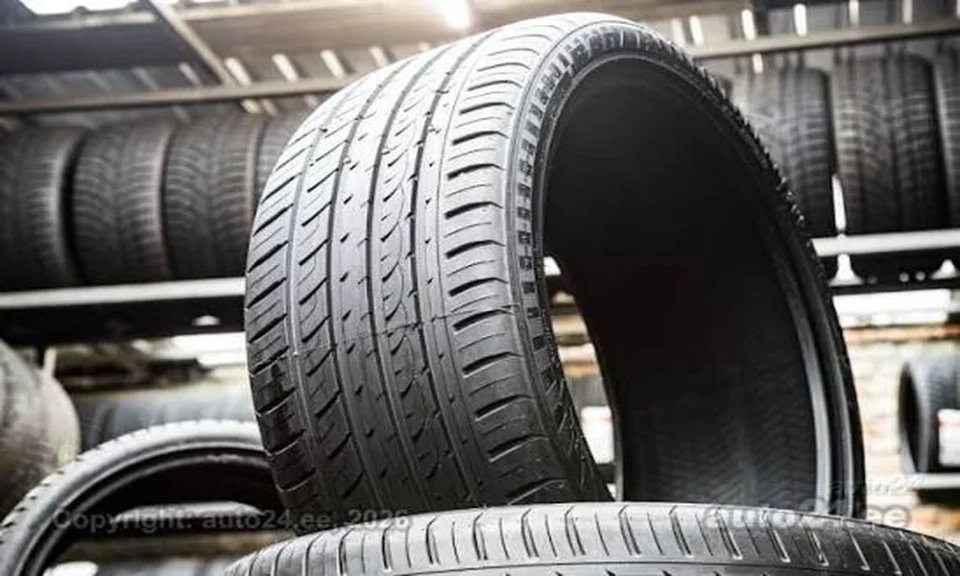
Choosing a specific tyre model rather than a broad category requires understanding what that particular product is actually engineered to do well, and where its design trade-offs genuinely lie compared with alternatives. The radar dimax r8 occupies a particular niche in the range, and understanding its specific strengths helps a driver judge whether it genuinely suits their own vehicle and driving style.
The Design Intent Behind This Model
The Dimax R8 is positioned as a performance-oriented tyre, engineered to prioritise responsive handling and grip at the expense of some ride comfort compared with a purely comfort-focused touring alternative aimed at a different type of driver. This positioning suits a driver who genuinely values cornering confidence over an ultra-plush ride quality, and who is willing to accept that trade-off deliberately rather than by accident. Understanding this design intent upfront sets realistic expectations before the tyre is even fitted to a vehicle.
Tread Pattern and Its Effect on Grip
The tread pattern is designed to maximise contact with the road surface during hard cornering, channelling water effectively while maintaining a stable contact patch under lateral load through a corner at speed. This design particularly benefits drivers who regularly push a vehicle through winding roads or spirited driving sessions, rather than one used exclusively for gentle, unhurried commuting. The asymmetric tread layout also contributes to this stability, distributing load differently across the inner and outer shoulders during hard cornering.
Wet Weather Performance Specifically
Despite its performance orientation, the tread design still channels water efficiently, an important consideration given how frequently sudden downpours occur across a typical driving week in a tropical climate like this one. Performance-oriented tyres do not automatically sacrifice wet grip, provided the tread design specifically accounts for it from the outset rather than as an afterthought. This balance matters considerably more here than it might in a market with more predictable, seasonal rainfall patterns.
Sizing Options Available for This Model
The Dimax R8 is offered across a range of sizes suited to different sedan and hatchback fitments, allowing drivers to select a size matching their vehicle’s original specification rather than settling for the nearest close approximation available. Checking the exact size and load rating against a vehicle’s manual remains an essential step before ordering, since even a small mismatch can noticeably affect handling and speedometer accuracy. A shop familiar with the range can usually confirm compatibility quickly over the phone before any commitment is made.
Noise and Comfort Trade-Offs
A performance-oriented tread pattern typically generates slightly more road noise than a touring-focused alternative, a trade-off worth weighing honestly against the handling benefits this specific model actually delivers in return. Comparing this against tyre shop helps a driver decide whether this particular trade-off genuinely suits their own everyday driving needs.
Suitability for Daily Commuting
While positioned as a performance tyre, the Dimax R8 remains genuinely usable for daily commuting, provided a driver values responsive handling enough to accept a slightly firmer ride during typical stop-start traffic throughout the week. It is not exclusively suited to weekend enthusiast driving alone, and many owners fit it as their only set for genuinely everyday use. The trade-off simply needs to be a deliberate choice rather than an unexpected discovery after fitting.
Compatibility With Common Vehicle Types
This model suits sedans and hatchbacks seeking a noticeable step up in handling response, though heavier SUVs may benefit more from a model specifically engineered for their particular weight distribution and typical use case on the road. Checking size and load rating compatibility remains essential regardless of vehicle type, since fitting the wrong category of tyre to a heavier vehicle can genuinely affect both handling and safety margins.
Expected Wear Patterns Under Normal Use
Performance-oriented compounds sometimes wear a little faster than a pure touring equivalent under identical conditions, a trade-off directly tied to the softer compound that delivers the model’s stronger grip characteristics in the first place. Regular rotation helps even out this wear pattern across all four positions over time, extending the effective useful life of the full set. Drivers accustomed to a harder touring compound should expect to check tread depth somewhat more frequently with this particular model.
Considering the Run-Flat Variant Instead
Drivers wanting the same handling character with added puncture resilience should consider dimax radar which trades a touch more ride firmness for the added ability to keep driving safely after a puncture actually occurs.
Deciding If This Model Suits a Specific Driver
The Radar Dimax R8 suits a driver who genuinely values handling responsiveness and is willing to accept modest trade-offs in noise and outright longevity in exchange for that clear benefit. Understanding these specific trade-offs upfront leads to a considerably more satisfying ownership experience than choosing based on model name recognition alone or a single glowing recommendation from a friend. Asking a knowledgeable shop to walk through these trade-offs in person remains the most reliable way to confirm this model genuinely fits a specific vehicle and driving style.
