
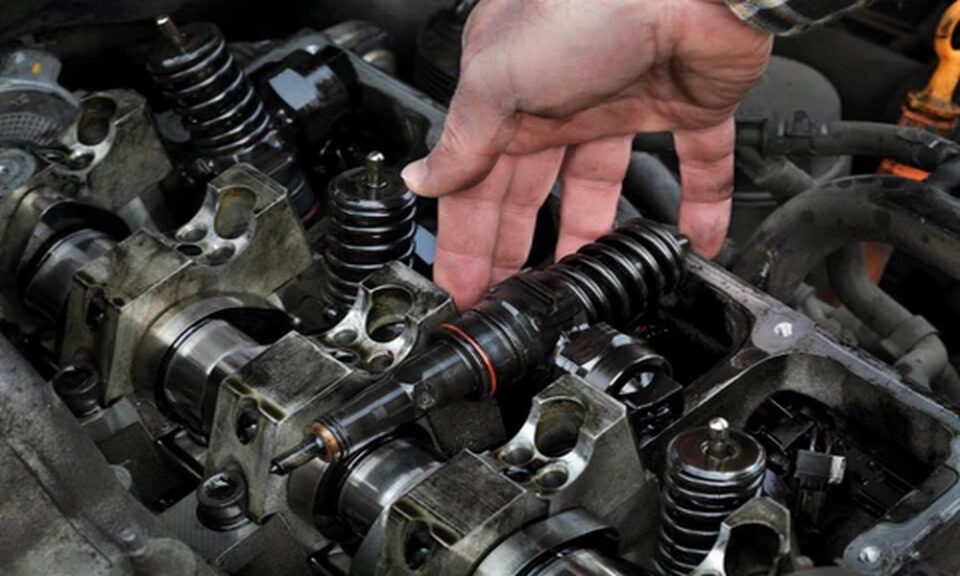
Fuel injection systems are at the core of modern engine performance, ensuring that fuel is delivered with precision for efficient combustion. Among the most important factors are injection timing and pressure, which determine how well fuel mixes with air. These elements directly affect power output, fuel efficiency, and emissions. Understanding diesel injection pump operation explained helps clarify how the pump regulates fuel pressure, controls injection timing, and delivers fuel in a precise sequence to each cylinder, ensuring smooth engine operation, optimal performance, and long-term reliability.
Why Timing and Pressure Matter
Injection timing refers to the exact moment fuel is delivered into the combustion chamber, while pressure determines how finely the fuel is atomized. Proper timing ensures that combustion occurs at the optimal point in the engine cycle, while correct pressure allows fuel to burn evenly and completely.
Key Components Controlling Fuel Injection Timing
Several components work together to ensure precise timing:
- Electronic Control Unit (ECU)
The ECU acts as the central control system. It processes data from sensors and determines when fuel should be injected based on engine speed, load, and temperature.
- Crankshaft and Camshaft Position Sensors
These sensors monitor the position and rotation speed of the engine’s internal parts. The ECU uses this information to synchronize fuel injection with the engine cycle.
- Throttle Position Sensor
This sensor detects how much the throttle is open, helping the ECU adjust injection timing based on driver demand.
- Engine Temperature Sensor
It ensures proper timing adjustments during cold starts and normal operation, improving combustion efficiency.
Key Components Controlling Fuel Injection Pressure
Maintaining the right fuel pressure is equally important. The following components play a major role:
- Fuel Pump
The fuel pump supplies fuel from the tank at the required pressure. In modern systems, high-pressure pumps are used to achieve precise atomization.
- Fuel Pressure Regulator
This component maintains a consistent pressure level by adjusting the flow of fuel. It ensures that the injectors receive fuel at the correct pressure under all conditions
- Fuel Injectors
Injectors spray fuel into the engine in a fine mist. Their design and operation directly affect how well the fuel is atomized, which depends on pressure levels.
- Common Rail (in advanced systems)
In common rail systems, fuel is stored at very high pressure in a shared rail, allowing precise and flexible control over injection.
How These Components Work Together
The coordination between timing and pressure components is essential for optimal engine performance:
- The ECU collects real-time data from sensors.
- It calculates the ideal injection timing and pressure.
- The fuel pump and regulator maintain the required pressure.
- Injectors deliver fuel at the exact moment determined by the ECU.
This synchronized process ensures efficient combustion, improved fuel economy, and reduced emissions.
Fuel injection timing and pressure rely on both electronic and mechanical components working together seamlessly. Systems like the ECU, sensors, fuel pump, and injectors ensure accurate fuel delivery. Understanding their roles highlights engine efficiency and underscores the importance of regular maintenance for reliable, long-term performance.
