
Background of the fleet operation challenge
A mid-sized logistics company operating across interstate routes was facing rising maintenance expenses. Frequent exposure to rough terrain, rain, dust, and road chemicals led to faster wear of wheel-related components. The company noticed repeated issues such as corrosion buildup, increased cleaning time, and premature replacement of exterior wheel parts. This directly impacted operational efficiency and increased downtime across its fleet.
Identifying the root cause of maintenance issues
After an internal audit, the maintenance team found that most of the damage was concentrated around exposed wheel assemblies. Constant exposure to moisture and debris was accelerating corrosion and making routine servicing more labour-intensive. The lack of protective barriers meant that dirt and grime were reaching critical areas more frequently than expected.
Implementation of axle protection solution
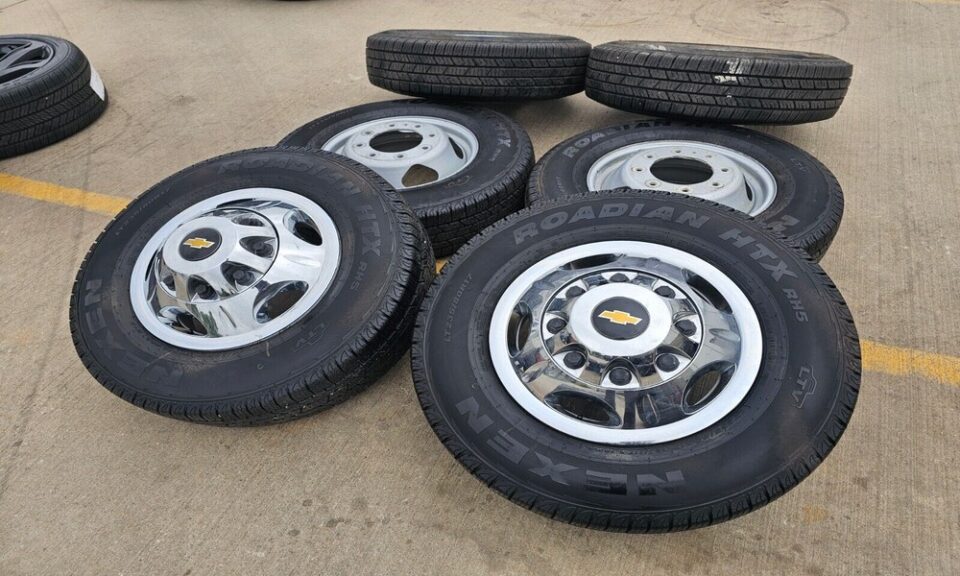
To address the issue, the company introduced durable axle protection systems across its fleet. These were designed to reduce direct exposure to road contaminants while also improving visual consistency. The selected solution included GM WHEEL SIMULATORS, chosen for their robust construction and ability to maintain structural integrity under long-distance hauling conditions. The installation was carried out in phases to minimize operational disruption.
Immediate operational improvements
Within the first few weeks of implementation, maintenance teams reported noticeable improvements. Cleaning time for wheel assemblies was reduced significantly, and the accumulation of brake dust and road grime decreased. Drivers also observed that vehicles maintained a cleaner appearance even after long trips through wet and dusty environments.
Reduction in long-term maintenance costs
Over a six-month period, the company recorded a measurable reduction in maintenance expenses. Fewer parts required replacement, and corrosion-related repairs dropped substantially. This allowed the fleet to allocate maintenance resources more efficiently, focusing on preventive servicing rather than reactive repairs.
Improved fleet efficiency and uptime
One of the most important outcomes was improved vehicle availability. With fewer breakdowns and reduced servicing frequency, trucks spent more time on the road. This directly contributed to better delivery schedules and improved customer satisfaction. The company also noted smoother inspection processes during routine compliance checks.
Extended lifespan of wheel components
Another significant benefit was the extended lifespan of wheel assemblies. By reducing exposure to environmental stressors, the protective systems slowed down wear and tear. This helped delay costly replacements and improved the overall return on vehicle investment.
Operational insights from the case study
The company’s experience highlights the importance of preventive protection in fleet management. Small structural upgrades can have a large impact on long-term operational costs. Instead of reacting to damage, proactive measures helped stabilize maintenance cycles and reduce unpredictable expenses.
