
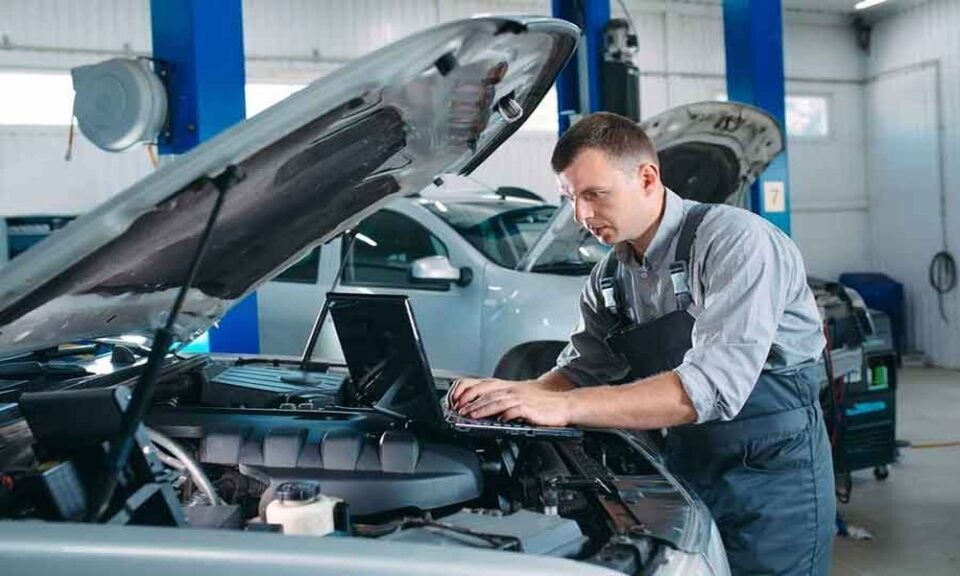
Unexpected vehicle breakdowns can happen at the worst possible times, whether during a daily commute, a long road trip, or while running errands. While some breakdowns occur without warning, many are linked to common mechanical problems that gradually develop over time. Understanding the typical causes of vehicle failure can help drivers recognize early warning signs and reduce the risk of being stranded on the road.
Battery Failure During Daily Use
A weak or dead battery is one of the most common causes of sudden breakdowns. Vehicle batteries naturally lose strength as they age, especially when exposed to extreme temperatures or frequent short trips. Corroded battery terminals and charging system issues can also prevent the battery from functioning properly.
Drivers may notice symptoms such as dim headlights, slow engine cranking, or difficulty starting the car. Ignoring these warning signs can eventually lead to complete battery failure at an inconvenient moment.
Engine Overheating Problems
An overheating engine can quickly turn into a serious mechanical issue if left unaddressed. Cooling system failures often result from low coolant levels, damaged hoses, radiator leaks, or malfunctioning water pumps.
When the engine temperature rises too high, internal components may suffer severe damage. Steam coming from under the hood or a rising temperature gauge should never be ignored. Many drivers seeking reliable philadelphia auto repair services discover that routine cooling system maintenance could have prevented major engine repairs.
Tire Damage and Blowouts
Tires play a critical role in vehicle safety and performance, yet they are often overlooked until a problem occurs. Driving with worn tread, improper tire pressure, or damaged sidewalls increases the risk of sudden blowouts and loss of control.
Road hazards such as potholes, nails, and debris can also weaken tires over time. Regular tire inspections help identify uneven wear patterns and other issues before they lead to dangerous roadside emergencies.
Alternator and Charging System Issues
The alternator supplies electrical power to the vehicle while the engine is running. If the alternator fails, the battery may no longer recharge properly, causing electrical systems to shut down unexpectedly.
Warning signs can include flickering dashboard lights, electrical malfunctions, or unusual whining noises from the engine compartment. Since modern vehicles rely heavily on electronic systems, charging system failures can affect everything from ignition performance to power steering assistance.
Fuel System Complications
A clogged fuel filter, failing fuel pump, or contaminated fuel can prevent the engine from receiving the proper fuel supply. This may cause rough idling, hesitation during acceleration, or sudden engine stalling.
Drivers sometimes mistake these symptoms for minor performance problems, but untreated fuel system issues can leave a vehicle unable to start. Routine inspections help ensure that fuel delivery components continue operating efficiently.
Ignoring Routine Maintenance
One of the leading causes of unexpected breakdowns is delayed or neglected maintenance. Skipping oil changes, ignoring warning lights, or postponing inspections allows small mechanical problems to grow into more serious failures.
Regular maintenance gives technicians the opportunity to identify worn components, fluid leaks, and declining system performance before they create larger repair needs. Staying proactive with service schedules can significantly reduce the chances of sudden roadside breakdowns.
Seasonal Weather Challenges
Extreme temperatures place additional stress on vehicle systems. Hot weather increases the risk of overheating, while cold weather affects battery performance and tire pressure. Seasonal inspections help drivers prepare their vehicles for changing conditions and improve reliability throughout the year.
